We’ve all had those moments—maybe a few drinks turned into a few too many, and suddenly you’re faced with a situation that demands a clear head. Whether it’s an unexpected work call, an early morning meeting, or the need to drive safely, sobering up fast becomes a priority. While time is the only guaranteed cure, there are a few methods that can help speed up the process and make you feel more alert and in control.
In this guide, we’ll explore 3 ways to get alcohol out of your system quickly and effectively. From smart hydration to boosting your metabolism naturally, these tips can support your body as it works to clear alcohol from your bloodstream.
Understanding Alcohol Metabolism
Before diving into detox strategies, it’s helpful to understand how your body actually processes alcohol. Once you take a drink, alcohol is absorbed into your bloodstream through the stomach and small intestine. From there, it’s primarily metabolized by the liver, which breaks it down using enzymes—mainly alcohol dehydrogenase (ADH).
On average, the liver can process about one standard drink per hour. This means that no matter how many hacks you try, the bulk of alcohol removal depends on your body’s natural metabolic rate. Factors like age, body weight, gender, and overall health can all affect how quickly alcohol is broken down.
Common Myths About Sobering Up Fast
There are plenty of myths out there that claim to sober you up instantly—but most of them don’t hold up under science. For example:
- Coffee might make you feel more awake, but it doesn’t speed up alcohol metabolism.
- Cold showers can increase alertness, but they won’t lower your blood alcohol content (BAC).
- Vomiting doesn’t reverse the alcohol already absorbed into your bloodstream.
The truth is, while you can’t magically eliminate alcohol from your body, there are ways to support your system and feel better faster. And that’s exactly what the next section covers.
3 Effective Alcohol Detox Methods
Let’s take a closer look at 3 ways to get alcohol out of your system that actually work. While there’s no instant fix, these detox methods can help you feel better faster and support your body’s natural alcohol-clearing process.
1. Hydration and Electrolytes
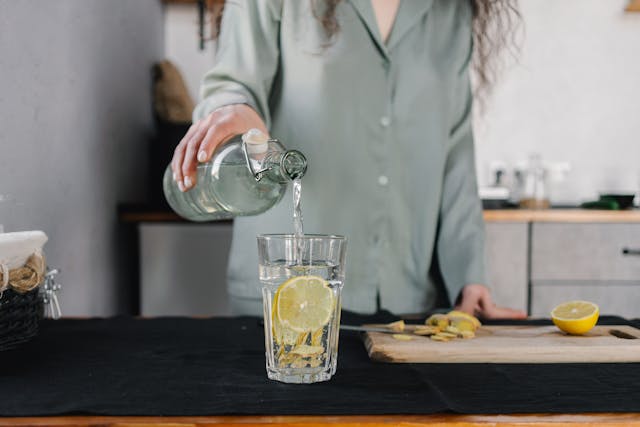
One of the most effective ways to support alcohol detox is by staying hydrated. Alcohol is a diuretic, meaning it increases urine production and leads to fluid loss. This can result in dehydration, which intensifies hangover symptoms like headaches, fatigue, and dizziness.
Drinking plenty of water helps your kidneys flush out toxins more efficiently and can speed up your metabolic rate slightly. But plain water isn’t always enough—your body also needs to replenish lost electrolytes such as sodium, potassium, and magnesium. These are essential for proper nerve and muscle function and can reduce the severity of dehydration-related symptoms.
Try sipping on electrolyte-rich drinks like:
- Coconut water
- Sports drinks (low sugar options are best)
- Oral rehydration solutions
2. Nutritious Food and Activated Charcoal
What you eat after drinking can play a huge role in how quickly you recover. Focus on foods that support liver function, since your liver is the primary organ responsible for metabolizing alcohol.
Recommended detox-friendly foods:
- Leafy greens (spinach, kale)
- Cruciferous vegetables (broccoli, Brussels sprouts)
- Fruits rich in antioxidants (blueberries, oranges, bananas)
These foods provide vitamins, fiber, and antioxidants that can help reduce inflammation and support detoxification.
Activated charcoal is sometimes suggested as a detox aid because it can bind to toxins in the stomach. However, it’s only effective if taken shortly after alcohol consumption—before absorption begins. It’s not a hangover cure and shouldn’t be used as a substitute for medical care.
Foods to avoid:
- Greasy or heavily processed foods, which can stress your digestive system
- Excess sugar or caffeine, which may worsen dehydration
3. Physical Activity and Rest
Engaging in light physical activity can slightly boost your metabolism and improve circulation, which may help your body eliminate alcohol more efficiently. Simple exercises like walking, stretching, or yoga can also improve your mood and energy levels.
However, rest is just as important. Alcohol disrupts normal sleep cycles, and your body needs quality sleep to repair and recover. A balance of gentle movement during the day and uninterrupted sleep at night can significantly help you feel better faster.
Avoid intense workouts if you’re feeling weak, dizzy, or nauseous—your body is already working hard to process alcohol, and overexertion can do more harm than good.
What Not to Do When Trying to Sober Up Fast
While it’s tempting to try quick fixes, some common choices can actually make things worse:
- Don’t drink more alcohol (“hair of the dog”) – this only delays withdrawal and puts more strain on your liver.
- Don’t skip meals – an empty stomach can intensify the effects of alcohol and slow recovery.
- Never assume you’re sober enough to drive – even if you feel okay, your blood alcohol content may still be above legal limits, putting yourself and others at serious risk.
When to Seek Medical Help
While most people can manage a mild hangover or the need to sober up at home, it’s crucial to recognize when the situation may require professional medical assistance. Alcohol poisoning is a serious and potentially life-threatening condition that occurs when someone consumes a toxic amount of alcohol, usually in a short period.
Signs of Alcohol Poisoning Include:
- Confusion or stupor
- Vomiting repeatedly or uncontrollably
- Seizures
- Slow or irregular breathing
- Pale, clammy, or bluish skin
- Unconsciousness or inability to wake up
If you or someone around you is showing these symptoms, seek emergency medical help immediately. Do not wait or assume they will “sleep it off.”
For individuals who frequently binge drink or struggle to stop drinking, detoxing safely should be done under medical supervision. Withdrawal symptoms—such as anxiety, tremors, sweating, or even seizures—can become dangerous without proper care.
There are numerous professional treatment options available, including detox centers, outpatient programs, and counseling services, designed to help people manage alcohol dependence safely and effectively.
Luxury alcohol treatment for professionals and other specialized programs can also offer tailored care with a focus on privacy, flexibility, and personalized support, helping individuals manage recovery while balancing demanding personal and professional responsibilities.
Conclusion
Sobering up quickly isn’t about magic pills or miracle fixes—it’s about supporting your body as it processes alcohol and doing what you can to feel clearer and healthier. Staying hydrated, eating nutritious foods, and balancing light activity with rest are the most effective strategies to aid recovery.
These 3 ways to get alcohol out of your system can help you feel better faster, but always drink responsibly. Know your limits, take care of your body, and never hesitate to ask for help when it’s needed.
Making safe choices not only protects your health but also the wellbeing of those around you. Drink smart, stay informed, and put your safety first.