
Thinning hair can feel frustrating, especially when you notice it changing over time. Whether it’s a result of genetics, stress, or other factors, it’s important to remember that you’re not alone—and there are plenty of options to help. From styling tricks to professional treatments, you have more control over your hair’s appearance than you might think.
Hair Extensions for Thin Hair
If you’re looking for an instant confidence boost, hair extensions for thin hair are a fantastic option. These aren’t just about adding length—they’re also great for creating volume, especially if your natural hair feels thin or flat. Modern extensions are lightweight, designed to blend naturally, and can be tailored to your needs.
For thinning hair, tape-in extensions are often recommended because they’re gentle and won’t weigh your hair down. Clip-ins can also work well for special occasions, giving you the freedom to experiment without long-term commitment. Be sure to consult a professional stylist to find the best match for your hair type and colour—this ensures a seamless finish that looks and feels natural.
Extensions can last for months with proper care, so they’re worth the investment if you’re looking for a long-lasting transformation. Just be sure to avoid overly heavy extensions that could stress your scalp or damage delicate strands.
Adjusting Your Hair Care Routine
How often do you stop to think about the products you’re using? If your hair is thinning, your routine might need a refresh. Harsh shampoos and frequent heat styling can weaken already fine hair, so opt for gentle, sulfate-free shampoos that nourish your scalp and strengthen strands.
It’s also worth exploring lightweight conditioners and volumising products. Avoid heavy creams or oils that can weigh your hair down, and instead look for products with keratin or biotin—two ingredients known for supporting hair health.
If you use heat tools, always apply a heat protectant beforehand to minimise damage. Better yet, try air-drying your hair whenever possible. Thinning hair tends to be more fragile, so being kind to it during your styling routine can make a noticeable difference over time.
Try a Haircut That Enhances Volume
Sometimes, a simple haircut can transform the way your hair looks. Thinning hair often benefits from layered styles or cuts that create movement and texture. A blunt cut, for example, can make fine hair appear thicker, while shorter styles can add instant body.
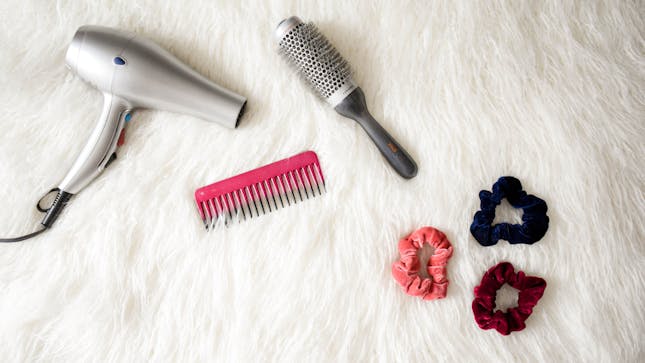
Speak with your stylist about your concerns—they may suggest a style that works better for your hair’s current condition. Layers, fringe, or even a side part can all help create the illusion of fuller hair. And don’t underestimate the power of a good blow-dry technique. A round brush and some root-lifting spray can do wonders for creating volume without adding stress to your strands.
Scalp Care: The Foundation of Healthy Hair
Your scalp is where it all begins. Neglecting your scalp can lead to build-up, clogged follicles, and ultimately, weaker hair. Regular scalp massages can improve circulation, which helps nutrients reach your hair roots more effectively. You can even use a scalp massager or your fingertips to make this part of your routine.
Look for products designed to exfoliate the scalp and clear away dead skin cells or residue from styling products. A healthy scalp provides the best foundation for growing strong, thick hair.
If you suspect an underlying issue like dandruff or excessive oil production, addressing these problems with targeted treatments can also have a positive impact on your hair’s appearance.
Nutritional Support for Hair Growth
Your hair reflects what’s happening inside your body, so a balanced diet plays a key role in keeping it strong. Are you getting enough protein, iron, and vitamins? Hair is primarily made of keratin (a type of protein), so make sure you’re including protein-rich foods like eggs, fish, nuts, and beans in your meals.
Biotin and zinc are also commonly linked to healthy hair growth. Many people find that supplements designed for hair, skin, and nails can fill in any gaps in their diet. Just remember: it can take a few months to see noticeable changes, so consistency is key.
Drinking plenty of water and cutting back on processed foods will also help improve your overall health, which benefits your hair in the long run.
Explore Topical Treatments
The beauty industry has come a long way, and there are now plenty of topical treatments aimed at tackling thinning hair. Minoxidil is one of the most widely known options and is available over the counter in various forms, such as sprays or foams. It works by improving blood flow to the scalp and encouraging hair growth.
If you’re interested in more natural options, products with ingredients like rosemary oil or caffeine have also been shown to stimulate hair follicles. Be patient when trying these solutions—hair regrowth can take time, but persistence pays off.
When to Consult a Professional
Sometimes, thinning hair can be linked to underlying health issues like hormone imbalances, stress, or nutrient deficiencies. If you’ve noticed sudden or excessive hair loss, it’s worth speaking with a GP or dermatologist to rule out any medical concerns.
A professional can also recommend advanced treatments like PRP therapy (platelet-rich plasma) or microneedling, which have been shown to improve hair density. These treatments aren’t for everyone, but they might be an option if you’re looking for more intensive support.
Find Your Confidence Again
Thinning hair doesn’t have to hold you back. From simple changes in your routine to exploring professional options, there’s so much you can do to take control of how your hair looks and feels. Whether you try extensions, update your haircut, or give your scalp some TLC, the key is finding a solution that works for you and fits your lifestyle.