When your air conditioner keeps turning on and off in rapid succession, it’s experiencing what HVAC professionals call “short cycling.” Instead of completing a full cooling cycle, which typically lasts between 10 to 20 minutes, the unit shuts down prematurely, often after running for less than 10 minutes, sometimes even just 5 minutes. This erratic behavior is a significant red flag that your system is struggling.
A normal AC cycle involves the unit running long enough to effectively lower your home’s temperature to the thermostat’s set point and remove a significant amount of humidity from the air. During this period, the system efficiently transfers heat from inside your home to the outside. When short cycling occurs, the compressor, which is the heart of your AC system, is forced to start and stop much more frequently. Each start-up draws a significant surge of electricity, known as an inrush current, leading to energy spikes. This not only wastes energy but also places immense strain on the compressor and other electrical components. Over time, this repeated stress compromises the system’s efficiency and can lead to premature failure.

The Role of High Humidity and Regional Climate Loads
New Jersey’s climate plays a significant role in exacerbating AC short cycling, especially during the peak summer months. Situated in Climate Zone 4A, the region experiences a mixed-humid climate. This means that while temperatures can soar, the relative humidity often exceeds 70% during July and August. High humidity introduces an additional burden on your AC system. Air conditioners are designed to perform two primary functions: cooling the air (removing sensible heat) and dehumidifying it (removing latent heat, or moisture).
When humidity levels are high, your AC has to work harder and run longer to extract moisture from the air. If the unit short cycles, it doesn’t run for a sufficient duration to complete the dehumidification process effectively. This can leave your home feeling clammy and uncomfortable, even if the air temperature seems adequate. The constant stopping and starting prevent the system from properly condensing water vapor on the evaporator coil and draining it away. This inefficiency means your AC is struggling to meet the cooling demand and humidity control requirements simultaneously, leading to increased discomfort and potentially mold growth if humidity remains unchecked.
Why Certified HVAC Expertise for Optimal Comfort Prevents Premature Compressor Failure
Ignoring AC short cycling is akin to ignoring a persistent cough – it’s a symptom of a deeper problem that can lead to severe health issues for your HVAC system. The most critical risk is premature compressor burnout. The compressor is the most expensive component of your air conditioner, responsible for circulating refrigerant and facilitating the heat exchange process. Each time the compressor starts, it undergoes significant mechanical and electrical stress. When it short cycles, these stresses are multiplied.
A compressor designed to last 12-15 years might fail in just 3-5 years due to the constant on-off cycles. This hardware fatigue is a direct consequence of the motor repeatedly trying to reach operating speed and temperature. The thermal protection mechanisms within the compressor are constantly engaged, trying to prevent overheating, but they can only do so much. A clear indicator of a healthy system is a consistent temperature difference (Delta T) of 16-22 degrees Fahrenheit between the return air and the supply air. Short cycling often disrupts this balance, indicating inefficient cooling. The financial implications are substantial; replacing a compressor in New Jersey can cost anywhere from $1,500 to over $3,000, a significant expense that proactive maintenance and timely repairs can often prevent.
Common Causes of Inefficient Cycling in Extreme Heat
Several factors can contribute to your AC unit short cycling, especially when battling the intense New Jersey summer heat. Understanding these common culprits is the first step toward diagnosing and resolving the issue.
Airflow Blockage
One of the most frequent causes of short cycling is restricted airflow. Your AC system relies on a consistent flow of air to operate efficiently and transfer heat effectively.
- Clogged Air Filters: A dirty air filter is the most common and easily rectifiable cause. Over time, filters accumulate dust, pet dander, and other airborne particles, restricting the amount of air that can pass through to the evaporator coil. This blockage forces the AC to work harder, can cause the coil to freeze, and ultimately leads to the system shutting down prematurely to prevent damage.
- Frozen Evaporator Coil: When airflow is severely restricted (often due to a dirty filter or low refrigerant), the evaporator coil inside your home can get too cold and freeze over. Ice acts as an insulator, preventing the coil from absorbing heat from your home’s air. The system may then shut off on a safety limit, only to restart once the ice melts, creating a short cycling pattern.
- Dirty Condenser Coils: The condenser unit, located outside your home, is responsible for releasing the heat absorbed from indoors. If its coils are covered in dirt, leaves, grass clippings, or other debris, heat transfer becomes inefficient. The system struggles to dissipate heat, causing it to overheat and trip safety controls, leading to short cycles. This thermal stress is particularly pronounced on hot summer days.
Electrical Failures and Component Wear
The intricate electrical system of your AC unit is crucial for its operation. Malfunctions here can directly cause short cycling.
- Bad Run Capacitors: Capacitors are like batteries that provide the initial jolt of electricity needed to start the compressor and fan motors, and then help them run efficiently. A weak or failing run capacitor might not provide enough power, causing the compressor to struggle to start or to shut down prematurely.
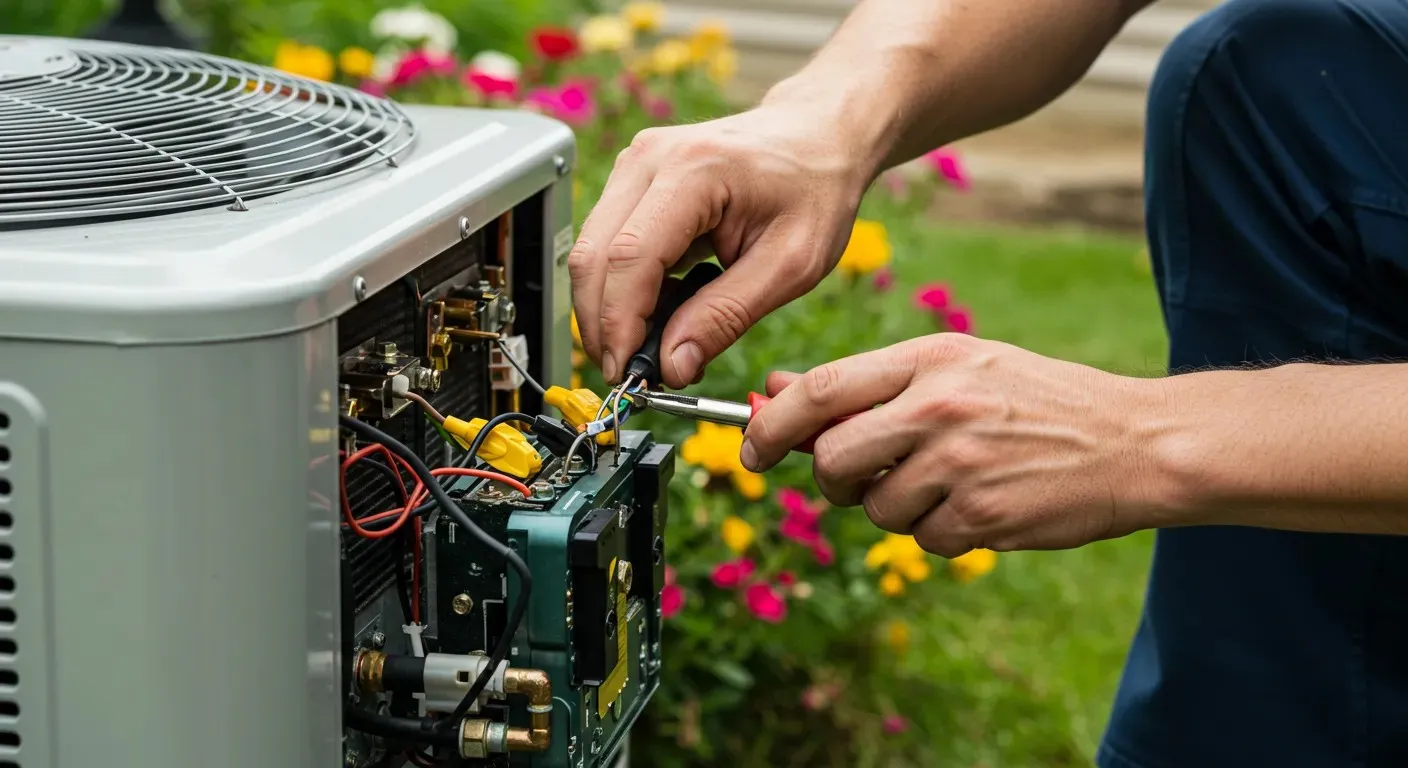
- Worn Contactor: The contactor is an electrical switch that sends power to the compressor and outdoor fan motor. Over time, its electrical contacts can become pitted or corroded due to repeated use and arcing. A faulty contactor can lead to intermittent power supply, causing the unit to turn on and off erratically.
- Voltage Fluctuations and Safety Switches: Inconsistent voltage supply or issues with safety switches (like high-pressure switches or low-pressure switches) can trigger the system to shut down as a protective measure. These switches are designed to prevent damage from dangerously high or low pressures within the refrigerant lines or other system anomalies.
- Relay Failure: Relays control various electrical circuits within the AC. A failing relay can send incorrect signals, causing components to switch on and off at the wrong times.
Sizing Inaccuracies and Thermostat Misplacement
Sometimes, the problem isn’t a malfunction but an inherent mismatch or improper setup.
- Oversized AC Unit: An air conditioner that is too large (oversized tonnage) for your home’s square footage will cool the space too quickly. While this might sound good, it means the unit reaches the thermostat’s set point rapidly and shuts off before it has had enough time to adequately dehumidify the air. This leads to short runtimes, poor dehumidification, and a clammy feeling in your home, even if the temperature is cool.
- Undersized AC Unit: Conversely, an undersized unit might run continuously and still struggle to reach the set temperature on extremely hot days, but it can also short cycle if it’s constantly battling an overwhelming heat load and tripping safety limits.
- Thermostat Misplacement or Malfunction: The thermostat is the brain of your HVAC system. If it’s placed in an area that receives direct sunlight, near a heat-generating appliance, or in a drafty spot (ghost drafts), it can misread the actual room temperature. This can cause it to signal the AC to turn off prematurely or turn on unnecessarily, leading to short cycling. An uncalibrated or faulty thermostat can also send incorrect signals, disrupting normal operation.
Applying Certified HVAC Expertise for Optimal Comfort Across Complex Diagnostics
While some AC issues can be addressed by homeowners, many short cycling problems require the specialized knowledge and tools of a professional. When your AC keeps turning on and off, especially in the demanding New Jersey summer heat, it’s often a sign that it’s time to consult experts. For comprehensive diagnostics and reliable solutions, seeking certified HVAC expertise is crucial. Professionals can accurately diagnose complex issues that aren’t visible to the untrained eye.
One such complex area is refrigerant diagnostics. Low refrigerant levels, often caused by leaks, can lead to short cycling because the system struggles to absorb and release heat efficiently. HVAC technicians use specialized gauges to measure refrigerant pressures and calculate superheat and subcooling values. These precise measurements indicate whether the system has the correct refrigerant charge and if it’s operating within optimal parameters. They also have the tools to detect refrigerant leaks, which are essential to fix not just for performance but also for environmental reasons.
Furthermore, the ongoing R-410A refrigerant phase-out adds another layer of complexity. As of September 2026, the production and import of R-410A are being phased down, with a complete ban on new equipment using it expected in the coming years. This means that if your system uses R-410A and requires a major repair involving refrigerant, the availability and cost of this refrigerant could become a factor. Technicians are trained on handling these transitions and can advise on the best course of action, whether it’s a repair, conversion, or replacement with newer, more environmentally friendly refrigerants.
Homeowner Maintenance Checks Advanced Professional Diagnostic Procedures Check/replace air filter Refrigerant pressure/charge analysis Clear debris from outdoor unit Superheat and subcooling calculations Reset circuit breaker Electrical component testing (capacitors, contactors, relays) Check thermostat settings/batteries Leak detection using electronic sniffers or UV dye Clear condensate drain line Airflow measurement (static pressure, CFM) Inspect for frozen coils (visual) Ductwork inspection and sealing Compressor health checks (amperage draw, windings) Safety control testing
Homeowner Troubleshooting and Preventive Strategies
Before calling a professional, there are several safe and simple troubleshooting steps you can take to address AC short cycling. These actions can often resolve minor issues and help you better describe the problem if you do need to call for service.
- Check and Reset Your Circuit Breaker: Sometimes, an overloaded circuit or a minor electrical surge can trip the breaker connected to your AC unit. Locate your electrical panel and check if the breaker labeled for your AC (often “Furnace” or “AC”) is in the “off” or middle position. Flip it completely off, wait a minute, and then flip it back to the “on” position.
- Replace Your Air Filter: A dirty air filter is a leading cause of airflow restriction. Check your filter monthly, especially during peak cooling season, and replace it every 1-3 months, or more frequently if you have pets or allergies. A clean filter ensures proper airflow and prevents coil freezing.
- Inspect and Clear Condensate Lines: The condensate drain line removes moisture from your home. If it gets clogged with algae or debris, water can back up, triggering a safety float switch that shuts down your AC. Look for standing water in the drain pan or a clogged PVC pipe. You can often clear minor clogs by pouring a cup of distilled vinegar mixed with water down the drain line (if accessible) or by gently using a wet/dry vac on the outdoor end of the pipe.
- Verify Thermostat Settings: Ensure your thermostat is set to “Cool” and your desired temperature is lower than the current room temperature. Check that the fan setting is on “Auto” rather than “On,” as running the fan continuously can sometimes interfere with proper cooling cycles. If your thermostat uses batteries, replace them, as low battery power can cause erratic behavior.
- Clear Debris from the Outdoor Unit: Ensure the outdoor condenser unit is free from leaves, grass clippings, dirt, and other obstructions. Clear away any vegetation within two feet of the unit to allow for proper airflow.
Securing Certified HVAC Expertise for Optimal Comfort Before Emergency Breakdowns
While homeowner troubleshooting can address simple issues, many short cycling problems require professional intervention. Knowing when to call for certified HVAC expertise can save you money, prevent further damage, and restore your home’s comfort quickly.
You should call a professional AC repair service in New Jersey for short cycling if:
- The problem persists after basic troubleshooting.
- You hear unusual noises (grinding, hissing, banging) coming from your unit.
- You notice ice on your refrigerant lines or evaporator coil.
- Your home feels excessively humid despite the AC running.
- The unit is leaking refrigerant (indicated by a hissing sound or oily residue).
- You suspect electrical issues (flickering lights, burning smells).
- The unit is old and frequently breaking down.
Preventive tune-ups are invaluable in avoiding short cycling and other AC issues. Annual maintenance, ideally in the spring before summer heat arrives, allows technicians to perform comprehensive checks. This includes electrical testing of capacitors and contactors, thorough coil cleaning, checking refrigerant levels, assessing duct static pressure, and ensuring all components are operating within specifications. These steps help ensure seasonal reliability and peak performance, preventing small issues from escalating into costly emergency breakdowns. Short cycling becomes an emergency when it leads to a complete system shutdown, a burning smell, or significant water leaks, indicating immediate risk of further damage or safety hazards. Otherwise, it’s a critical issue that requires timely, but not necessarily immediate, professional attention.
Frequently Asked Questions About AC Short Cycling
Why does an air conditioner turn off after only a few minutes?
An air conditioner turning off after only a few minutes, or short cycling, can be due to several reasons. Often, it’s a safety mechanism kicking in to prevent damage. Common culprits include restricted airflow from a dirty air filter or clogged coils, which can cause the evaporator coil to freeze or the condenser to overheat. An oversized AC unit can also cool the space too quickly, satisfying the thermostat before completing a full cycle. Electrical issues like a faulty capacitor, contactor, or a tripped safety switch can also cause premature shutdowns. Sometimes, a malfunctioning thermostat or a sensor error can incorrectly signal the unit to turn off.
How does high outdoor humidity make short cycling worse?
High outdoor humidity significantly exacerbates short cycling because it increases the latent load on your AC system. Your air conditioner has to work harder and run longer to remove moisture from the air in addition to cooling it. When the unit short cycles, it doesn’t operate long enough to effectively dehumidify your home. This means that even if the temperature drops slightly, your indoor environment will still feel “sticky” and uncomfortable. The constant on-off cycles prevent the system from properly condensing and draining away water vapor, leading to inefficient moisture removal and a persistent feeling of clamminess, making your home feel warmer than the thermostat indicates.
Can running a short-cycling AC permanently ruin the compressor?
Yes, running a short-cycling AC can absolutely lead to permanent and catastrophic damage to the compressor. The compressor is the most vital and expensive component of your air conditioner. Each time it starts, it experiences a significant electrical surge and mechanical stress. When an AC unit short cycles, the compressor is forced to start and stop far more frequently than designed. This repeated stress causes the motor to overheat, accelerates mechanical wear on internal components, and can lead to a breakdown of the compressor’s lubrication. Over time, this constant strain drastically reduces the compressor’s lifespan, potentially leading to its complete failure and necessitating a costly replacement of the entire unit or just the compressor itself.
Conclusion
An AC unit that keeps turning on and off in the New Jersey summer heat is more than just an inconvenience; it’s a clear signal that your cooling system is in distress. Understanding the causes of short cycling, from simple airflow blockages to complex electrical failures and sizing inaccuracies, empowers you to take appropriate action. Addressing these issues promptly is vital for maintaining system longevity, optimizing energy consumption, and ensuring consistent indoor comfort. While some basic troubleshooting can be performed by homeowners, many underlying problems require the nuanced diagnostic skills and specialized tools of certified HVAC professionals. Prioritizing proactive maintenance and seeking expert assistance when needed are the best strategies to keep your AC running efficiently and reliably, ensuring your home remains a cool oasis throughout the demanding summer months.