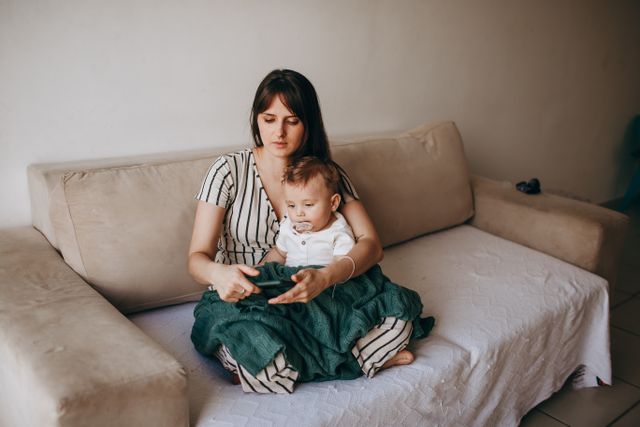
Active families often spend mornings outdoors and afternoons resetting at home. After fresh air, errands, or visitor-filled weekends, infants can become overstimulated quickly. Building a simple indoor wind-down routine helps everyone transition. For many caregivers, a Momcozy baby swing becomes a supervised station for gentle motion while parents prepare a snack, fold laundry, or catch a short breath nearby.
This guide focuses on realistic soothing habits that fit mountain weekends, busy weekdays, and everything in between—without treating gear as a substitute for responsive care.
Why Transitions Trigger Fussiness
Infants process a lot of sensory input outdoors: temperature changes, new sounds, and social stimulation. Returning indoors can feel abrupt. A predictable sequence—feed check, dimmer lights, soft sound, then calm motion—signals that the environment is shifting toward rest.
Design a Small Calm Corner
- Choose a stable floor spot away from cords and foot traffic.
- Keep lighting warm and low in the late afternoon.
- Use familiar white noise to mask household clatter.
- Store only essentials nearby so the space stays uncluttered.
Use Motion Safely and Briefly
Swings support awake, supervised soothing. Stay within age and weight limits, secure the harness, and keep sessions short. If your baby falls asleep, move them to a firm, flat sleep surface when practical. Multidirectional options like the Momcozy CocoSway 3D-Motion Electric Baby Swing can approximate parental swaying for some infants during those reset windows.
Pair Gear With Human Connection
Start with a cuddle or skin-to-skin when you can. Then, if needed, transition to supervised motion. Ending a swing session with floor play or holding helps the tool stay supportive rather than overused.
Share the Plan With Partners
Write down what works: preferred speed, best time of day, and safety rules. Shared notes make evenings smoother for partners, grandparents, and sitters.
FAQ
Is a swing useful after outdoor time?
Often yes—as one step in a broader wind-down, not as the only strategy. Check hunger and comfort first.
How long should a session last?
Short supervised sessions are usually best. Watch cues and follow product guidance.
Conclusion
A calm home routine does not need to be elaborate. With clear safety habits and a simple sequence, supervised motion can help active families move from busy outdoors to quieter indoors more smoothly.
Over time, refine the ritual as your baby grows. What works at two months may need adjustment at five. Keep expectations flexible during teething, travel, or growth spurts. The goal is not silence at any cost; it is a sustainable rhythm that protects infant comfort and caregiver stamina. Track a few successful afternoons in your notes, revisit settings monthly, and remember that holding, wearing, and floor play remain essential companions to any swing. When the plan is shared and the rules are clear, gear becomes a helper—never the whole story of good care. That practical mindset keeps outdoor adventures enjoyable and home resets calmer for everyone involved. If a day feels especially overstimulating, shorten social plans and lean harder on the basics: feed, comfort, closeness, then motion. Small course corrections usually work better than overhauling the entire routine overnight.