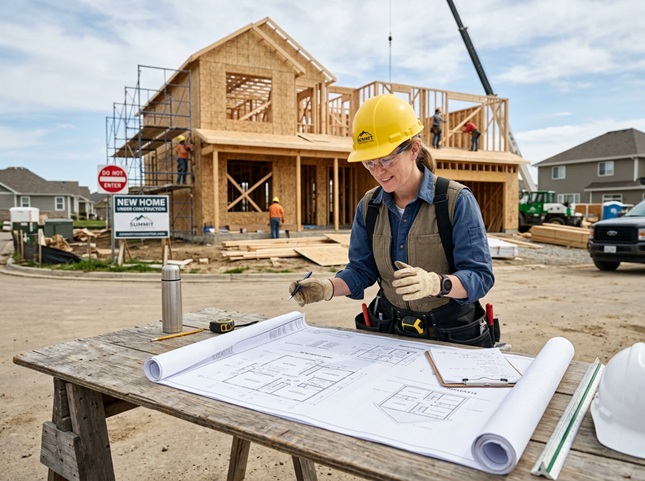
Understanding the distinction between capital improvements and routine maintenance is fundamental to strategic residential property enhancement. This clarity not only impacts your budget and project planning but also has significant implications for your home’s value and potential tax benefits.
Capital improvements are significant upgrades that add to the value of your home, prolong its useful life, or adapt it to new uses. These are typically permanent additions or changes that become an integral part of the property. Examples include adding a new room, finishing a basement, replacing an entire roof, installing a new HVAC system, or undertaking a major kitchen or bathroom remodel. The Internal Revenue Service (IRS) defines a capital improvement as something that “adds to the value of your home, prolongs its useful life, or adapts it to new uses.” Such investments are often substantial, requiring careful planning and potentially professional assistance. For homeowners looking to undertake significant projects, finding reliable professionals for their residential property enhancement AND house repair contractors needs is crucial.
In contrast, routine repairs and maintenance are activities that keep your home in good working order but do not significantly add to its value or extend its lifespan beyond its original design. These include tasks like patching a leaky roof, repainting a room, fixing a broken appliance, or repairing a fence. While essential for preserving your home’s condition and preventing further damage, these expenses are generally considered ongoing costs of homeownership.
Here’s a simplified comparison:
Maintenance Tasks Capital Improvement Projects Fixing a leaky faucet Installing new plumbing throughout the house Repainting a room Adding a new room or expanding existing square footage Repairing a broken window Replacing all windows with energy-efficient models Patching a section of the roof Installing a brand new roof Servicing the HVAC system Replacing the entire HVAC system Mowing the lawn, pruning shrubs Professional landscape design with hardscaping and new plantings The key takeaway is that capital improvements are investments designed to enhance your property’s long-term appeal and functionality, often with an eye towards increasing its market value. When considering homes for sale, particularly in dynamic markets like Fulton County, GA, buyers often prioritize properties that have benefited from strategic capital enhancements.
High-ROI Interior Residential Property Enhancement Strategies
When it comes to enhancing your home’s interior, certain projects consistently deliver a high return on investment (ROI), making them smart choices for homeowners looking to boost value and appeal.

Kitchen and Bathroom Renovations
Kitchen and bathroom renovations are often cited as the most impactful interior upgrades. These spaces are central to daily life and heavily scrutinized by potential buyers. A well-executed kitchen remodel can bring an ROI near 80%, while bathroom renovations can yield up to 70%.
For kitchens, focus on modernizing appliances, updating countertops, and refreshing cabinetry. Quartz countertops, for instance, have been a top material choice, offering both durability and aesthetic appeal. Minor kitchen refreshes, such as painting existing cabinets and upgrading hardware, can be particularly cost-effective, sometimes achieving an ROI of over 90% by creating a fresh, contemporary look without the expense of a full overhaul. Similarly, in bathrooms, updating fixtures, tiling, and vanities can significantly elevate the space. Even a minor bathroom refresh can achieve a 70-80% ROI. For those interested in seeing how such enhancements translate into appealing living spaces, exploring properties that have undergone significant Furnished property enhancement can provide inspiration. These types of upgrades are especially sought after in competitive markets, such as the diverse offerings of Staten Island, NY.
Expanding Usable Square Footage
Increasing the functional living space of your home is a direct way to boost its value. Finished basements and attic conversions are prime examples, as they transform underutilized areas into valuable square footage. Finished basements can yield an ROI of 65-75%, with costs typically ranging from $25-$50 per square foot, depending on the level of finish. Attic conversions, especially into home offices or additional bedrooms, also offer a similar ROI of 65-75%. The demand for dedicated home office spaces has particularly surged in recent years, making these conversions highly attractive.
Beyond major structural changes, smaller interior enhancements like upgrading flooring and optimizing lighting design can also make a significant difference. Refinishing hardwood floors, for instance, can offer an impressive ROI, enhancing the aesthetic and perceived value of a home. Thoughtful lighting can make rooms feel larger, brighter, and more inviting. For homeowners in areas like Greenville, SC, where lifestyle and comfort are key, these interior upgrades can significantly enhance marketability.
Smart Technology and Accessibility
In April 2026, smart home features are no longer just luxuries; they are becoming standard expectations for many buyers. Incorporating technological upgrades such as smart thermostats, video doorbells, smart lighting systems, and integrated security systems can enhance a home’s modern appeal and value. These features not only offer convenience and energy savings but also appeal to tech-savvy and environmentally conscious buyers, potentially boosting property value by up to 10%.
Furthermore, accessibility modifications, often referred to as universal design, can significantly broaden a home’s appeal. Features like wider doorways, ramp installations, and walk-in showers cater to a wider demographic, including aging populations or individuals with mobility challenges. While not always directly increasing market value in the same way as a kitchen remodel, these modifications can be fully deductible as medical expenses under certain conditions, provided they do not increase the home’s value or are medically necessary. This consideration is particularly relevant in diverse housing markets, including Boston, MA, where accessibility can be a key factor for many residents.
Maximizing Curb Appeal and Exterior Value
The exterior of your home is its first impression, and enhancing its curb appeal is one of the most effective strategies for residential property enhancement. This initial visual impact can significantly influence a buyer’s perception and, ultimately, their willingness to pay.

Landscaping, exterior paint, and overall façade maintenance play critical roles. A well-maintained lawn, thoughtfully designed garden beds, and a fresh coat of paint in a neutral, appealing color can dramatically improve a home’s attractiveness. Basic exterior improvements have been shown to increase perceived value by 5-10% and can even boost sale prices by 7-14%. Investing in low-maintenance landscaping is often recommended, as it appeals to a broader range of buyers who desire beauty without extensive upkeep. Even simple tasks like pruning bushes, adding fresh mulch, and keeping walkways clear contribute to a positive first impression. For those considering developing their outdoor spaces, understanding the potential of various land types, such as those found in Stuart, VA, can inspire creative landscaping and exterior design.
First Impressions and Marketability through Residential Property Enhancement
Specific exterior upgrades offer some of the highest returns on investment. Garage door replacement, for instance, has consistently topped ROI lists, sometimes recovering over 190% of its cost. A new, stylish garage door instantly updates a home’s façade and conveys a sense of modernity and care. Similarly, replacing an old front door with a new steel entry door can recover up to 90% of its cost and create a welcoming focal point. Manufactured stone veneer, applied to a portion of the home’s exterior, also provides a strong ROI, enhancing texture and visual interest. These high-impact changes leverage buyer psychology, making a home stand out in online listings and in person. In competitive real estate environments like Birmingham, AL, such strategic enhancements are crucial for marketability.
Outdoor Living and Security
Beyond aesthetics, creating functional outdoor living spaces adds tangible value by extending a home’s usable square footage. Decks and patios are highly sought-after features, offering excellent ROI (wood decking can yield up to 80% ROI). These spaces provide areas for relaxation, dining, and entertaining, appealing to buyers who value an indoor-outdoor lifestyle. Outdoor kitchens and fire pits further enhance this appeal, turning a backyard into a true extension of the home.
Security upgrades also contribute significantly to both perceived and economic value. Modern security systems, smart locks, and exterior lighting (including motion-sensor lights and accent lighting) not only provide peace of mind but also make a home more attractive to safety-conscious buyers. Privacy fencing and strategic landscaping can also create secluded outdoor retreats, which are highly valued in many residential areas. Properties in areas like Clarksburg, MD, where community living is common, can particularly benefit from thoughtful privacy and security enhancements.
Financial Planning and Tax Implications
Navigating the financial aspects of residential property enhancement is as crucial as the physical work itself. Understanding tax implications, available credits, and financing options can significantly impact the overall cost-effectiveness and long-term benefits of your projects.
One of the most significant tax benefits available to homeowners making energy-efficient upgrades is the Energy Efficient Home Improvement Credit. As of April 2026, this credit offers up to $3,200 annually, representing 30% of qualified expenses. There are specific limits: a maximum of $1,200 for general energy-efficient property and improvements (such as insulation, windows, and non-solar energy property) and a separate $2,000 limit for specific items like heat pumps, biomass stoves, or boilers. This credit is available through December 31, 2025, making the current period an opportune time to invest in such upgrades.
Beyond immediate credits, home improvements also affect your capital gains tax when you sell your property. The first $250,000 of profit for single filers and $500,000 for married couples filing jointly is typically tax-free on the sale of a principal residence, provided you’ve owned and lived in the home for at least two of the five years prior to the sale. Capital improvements increase your home’s adjusted cost basis, which is your original purchase price plus the cost of any capital improvements. By increasing your basis, you effectively reduce your taxable profit (capital gain) upon sale, potentially saving you a substantial amount in taxes. It’s vital to keep meticulous records of all capital improvement expenses. For homeowners in areas like Tipp City, OH, planning these financial aspects can be as important as the renovations themselves.
Energy Efficiency as a Residential Property Enhancement
Investing in energy-efficient upgrades is a win-win: they reduce utility bills, enhance comfort, and often qualify for significant tax benefits. Projects like installing solar panels can sometimes exceed 100% ROI, not just through energy savings but also via the federal tax credit (which is 30% of the cost of new, qualified clean energy property for your home, with no annual limit for solar).
Insulation upgrades are another high-ROI project, often yielding 100% ROI through substantial energy savings. Studies suggest that up to 90% of U.S. homes are under-insulated, leading to 40-70% heat loss. Replacing old windows with Energy Star-certified models can also provide a 70-80% ROI, saving 7-15% on annual energy bills. For comprehensive solutions that combine comfort with efficiency, seeking out a Premier residential property enhancement service can ensure that these upgrades are installed correctly and maximize their benefits. These improvements are particularly valuable in regions with varying climates, such as Oswego, NY, where energy costs can fluctuate significantly.
Financing and Property Tax Assessments
Funding property enhancements can be achieved through various avenues. Home equity loans and cash-out refinancing are popular options, allowing homeowners to borrow against the equity they’ve built in their homes, often at favorable interest rates. Government-backed programs also exist, such as HUD Title 1 Property Improvement Loans and FHA 203(k) Rehabilitation Loans, which are designed to help homeowners finance repairs and renovations. These programs often come with specific requirements and protections, making them a safe option for many.
It’s also crucial to consider how new construction or major rehabilitation can affect property tax assessments. In many jurisdictions, significant improvements that add value or square footage will trigger a reassessment of your property’s value, potentially leading to higher property taxes. However, various exclusions may apply, such as those for disabled accessibility modifications, solar energy systems, or disaster relief. It’s advisable to consult with your local assessor’s office to understand the specific rules and potential exclusions in your area. For example, in communities like Quincy, IL, understanding these local nuances can help homeowners plan their enhancements strategically to avoid unexpected tax burdens.
Frequently Asked Questions about Residential Property Enhancement
We often receive questions from homeowners about how to best approach their property enhancement projects. Here, we address some of the most common inquiries to help you make informed decisions.
What improvements should homeowners avoid to protect their ROI?
While many enhancements boost value, some offer low ROI or can even deter buyers. We advise homeowners to be cautious with:
- Luxury Pools: While enjoyable for some, pools are expensive to install and maintain, and they often have a negative ROI, especially in colder climates. Many buyers see them as a liability rather than an asset.
- Over-personalization: Highly specific design choices or trendy, bold aesthetics might appeal to your taste but can narrow your buyer pool. Neutral, classic designs tend to have broader appeal.
- Garage Conversions: Converting a garage into living space can remove valuable parking or storage, which can be a significant drawback for many buyers, particularly in areas where parking is at a premium.
- High-Maintenance Landscaping: While curb appeal is important, overly elaborate or high-maintenance landscaping can be a turn-off for busy buyers. Opt for attractive, low-maintenance options instead.
- Ignoring Neighborhood Standards: Over-improving your home far beyond the typical standards of your neighborhood can result in a lower ROI, as your home’s value will be capped by comparable properties in the area.
How do local market demands influence project prioritization?
Understanding your local market and target buyers is paramount in prioritizing effective property enhancements. What appeals to buyers in an urban loft might not resonate with those seeking a suburban family home. Factors to consider include:
- Target Buyer Demographics: Are you aiming for young families, retirees, or professionals? Their needs and preferences will dictate which features are most valuable (e.g., family-friendly layouts vs. luxurious master suites).
- Regional Climate: Outdoor living spaces are more valuable in warmer climates, while energy-efficient windows and robust insulation are key in colder regions.
- Urban vs. Suburban Trends: Urban buyers might prioritize smart technology and compact, efficient spaces, whereas suburban buyers might value larger yards and additional bedrooms.
- Comparable Sales Analysis: Research recently sold homes in your area to see which features commanded higher prices. This provides tangible evidence of what buyers in your specific market are willing to pay for.
For example, a home in Fruitland, MD might see a different ROI on a deck addition compared to a property in a mountainous region, due to local lifestyle preferences and climate. Always tailor your projects to what your local market values most.
Are there low-cost or DIY options that significantly boost value?
Absolutely! Not all impactful enhancements require a large budget or professional contractors. Many low-cost or DIY-friendly projects can significantly increase your property’s appeal and value:
- Deep Cleaning: This is often cited as having the highest ROI, with some estimates suggesting a return of over 3,000%. A sparkling clean home immediately feels well-maintained and inviting.
- Interior Painting: A fresh coat of neutral paint can brighten rooms, cover imperfections, and make spaces feel larger and more modern. It’s one of the most cost-effective ways to update an interior.
- Hardware Updates: Replacing outdated cabinet knobs, drawer pulls, light fixtures, and door handles with modern alternatives can give kitchens and bathrooms an instant facelift.
- Lawn Care and Landscaping: Basic landscaping, such as mowing, edging, pruning, and adding fresh mulch, can dramatically improve curb appeal. Even adding a few colorful plants can make a big difference.
- Decluttering and Organization: While not a physical improvement, thoroughly decluttering and organizing your home creates a sense of spaciousness and allows buyers to envision themselves in the space.
These smaller, strategic improvements can create a powerful cumulative effect, making your home more attractive to potential buyers without breaking the bank. For properties in areas like Eldon, MO, these types of accessible upgrades can be game-changers for marketability.
Conclusion
As we’ve explored, residential property enhancement is a multifaceted endeavor that goes beyond simple aesthetics. It’s about making strategic investments that align with market demands, enhance functionality, and ultimately boost your home’s value and your quality of life. From understanding the critical distinction between capital improvements and routine maintenance to identifying high-ROI interior and exterior upgrades, every decision contributes to your property’s long-term potential.
We’ve delved into the financial landscape, highlighting the benefits of energy-efficient tax credits and the importance of calculating your adjusted cost basis to minimize capital gains. We’ve also examined various financing options and the implications of property tax assessments. The key takeaway is that thoughtful planning, informed by market research and financial acumen, is essential for maximizing your return.
Whether you’re preparing to sell or simply aiming to create your ideal living space, partnering with local experts—from real estate agents to reputable contractors—can provide invaluable guidance. By focusing on smart, value-driven enhancements, homeowners can transform their properties into both comfortable sanctuaries and sound investments. This strategic approach ensures that every dollar spent contributes meaningfully to your home’s future, whether it’s in a bustling market or a quieter community like Holmdel, NJ.