Choosing the right flooring for your home can significantly impact the overall aesthetic and functionality of your space. For those involved in Interior Design and Home Improvement projects, the decision between natural stone tiles and ceramic tiles is a common dilemma. Each option offers unique benefits and challenges, making it crucial to understand their differences. This article will explore the material differences, durability and maintenance needs, aesthetic appeal, and cost considerations of both types of tiles, providing valuable insights for your design choices.
Natural Stone Tiles vs Ceramic Tiles: Material Differences
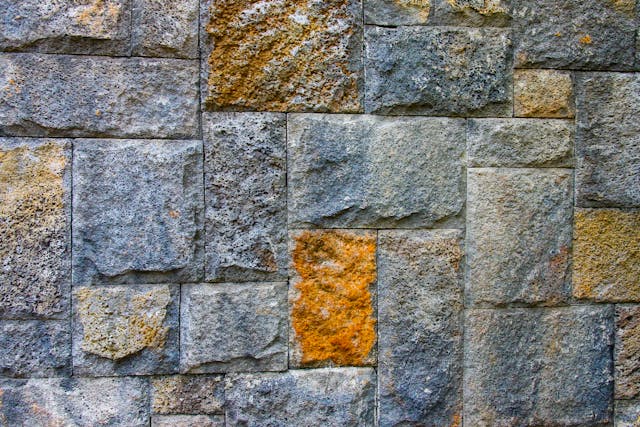
Understanding the fundamental material differences between natural stone tiles and ceramic tiles is essential for making an informed decision. Natural stone tiles, such as limestone, marble, and granite, are quarried directly from the earth, offering a unique, organic look that varies from tile to tile. This inherent variability can complement Speculative Design approaches, allowing designers to create truly one-of-a-kind spaces. In contrast, ceramic tiles are manufactured from clay and other materials, making them more uniform in appearance but still offering a wide range of styles and finishes.
One important consideration is the porosity of the materials. Natural stone tiles tend to be more porous, which can affect their performance in moisture-prone areas unless properly sealed. On the other hand, ceramic tiles are less porous, making them a popular choice for bathrooms and kitchens. Architectural Digest discusses these differences in detail, highlighting their impact on design and functionality.
Durability and Maintenance of Natural Stone and Ceramic Tiles
Durability is a critical factor in tile selection, especially in high-traffic areas. Natural stone tiles are renowned for their strength and longevity, with materials like granite and marble being particularly robust. However, they require regular maintenance, including sealing and polishing, to maintain their appearance and resist staining. A well-planned Finishing Schedule can help homeowners stay on top of these maintenance tasks.
Ceramic tiles, while also durable, are generally easier to maintain. Their glazed surface resists stains and scratches, requiring only routine cleaning to look their best. Nevertheless, it’s important to consider the specific tile rating, as some ceramic tiles are better suited for wall applications rather than floors. According to Houzz, understanding these ratings can help ensure the right choice for your specific needs.
Aesthetic Appeal and Design Options for Tiles
The aesthetic appeal of tiles is a major consideration in Interior Design. Natural stone tiles offer a timeless beauty that can enhance any space. Their unique patterns and colors can be integrated into a Mood Board to visualize their potential impact on a room’s design. Space Planning can further optimize the placement of these tiles to highlight their natural beauty.
Ceramic tiles, meanwhile, provide a vast array of design options, from intricate patterns to solid colors. Advances in printing technology allow for the creation of tiles that mimic the look of natural stone, wood, or even textiles, offering versatility for any design concept. Both natural stone tiles and ceramic tiles can play a significant role in creating a cohesive Lighting Plan by reflecting or absorbing light in strategic ways.
Cost Considerations and Environmental Impact of Tile Choices
Cost is always a key consideration in home improvement projects. Natural stone tiles typically come with a higher price tag due to the cost of extraction and transportation. However, their durability and distinctive appearance can justify the investment. Conversely, ceramic tiles are often more budget-friendly, making them accessible for larger projects or when frequent updates are anticipated.
Environmental impact is another important factor. The production of ceramic tiles is generally more energy-efficient than quarrying natural stone. However, the environmental cost of transporting stone tiles can be offset by their longer lifespan. When considering natural stone tiles, it’s worth noting that their unique aesthetic and durability often result in a lower need for replacement, potentially reducing long-term environmental impact.
Conclusion
Selecting between natural stone tiles and ceramic tiles involves considering material differences, maintenance requirements, and aesthetic possibilities. Each option offers distinct advantages that can enhance the beauty and functionality of your home. For those invested in Interior Design and Home Improvement, understanding these factors can lead to a choice that satisfies both practical needs and design aspirations.