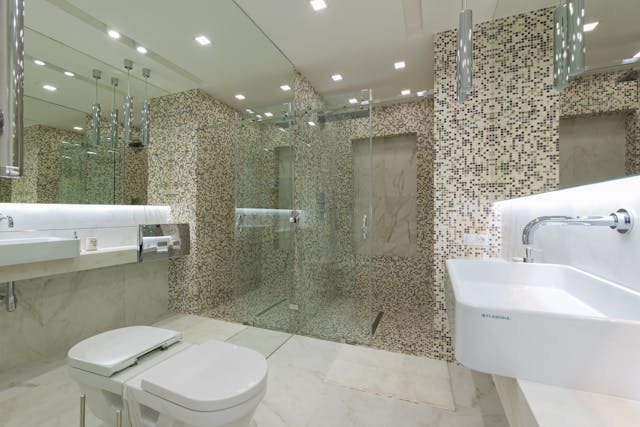
Choosing the right bathroom tile can transform a mundane space into a stylish sanctuary. With so many options available, making a choice that balances aesthetics, durability, and cost becomes crucial. Below, we delve into essential considerations to ensure you select the ideal tile for your home.
In this article, we will cover essential questions and insights, such as selecting materials, evaluating durability, exploring design styles, and managing budgets. Understanding these elements will guide you in creating a bathroom environment that meets your needs and preferences.
Choosing the Right Material for Bathroom Tile
Your choice of tile material significantly impacts the look and feel of your bathroom. From classic porcelain to luxurious marble, each offers distinct advantages. For instance, porcelain tile is known for its hardness and water resistance, making it a practical option for high-moisture areas. When considering materials, it’s important to evaluate their resilience in humid environments. Ceramic and porcelain are go-to choices due to their toughness and easy maintenance. Natural stone tiles, while visually appealing, require more care and can be slip-prone if not properly treated. Assess your lifestyle needs against these material characteristics. If low upkeep is crucial, opt for bathroom tile that mimics natural stone but requires less maintenance. Likewise, test whether the material aligns with non-slip safety features, especially in family homes.
Questions to Ask About Tile Durability and Maintenance
The longevity of your bathroom tile hinges on durability and maintenance needs. Durable tiles like porcelain typically last over 20 years with minimal upkeep. Porcelain tiles resist scratches and moisture, making them an excellent choice for durability.
Maintenance is a decisive factor influencing tile selection. For instance, glazed tiles require less frequent sealing compared to their unglazed counterparts. Knowing the upkeep requirements of each tile type can help you plan for long-term care and sustainability.
When choosing tiles, consider any required sealing and cleaning methods. Regularly maintained tiles will extend their life and retain their original look. Consulting a professional can provide detailed insights into specific maintenance routines for different tile types.
Exploring Design Options and Aesthetic Appeal
Bathroom tiles play a crucial role in defining the style and theme of your space. From minimalist to intricate patterns, the design options are extensive. Consider a contrasting grout color to emphasize tile layouts, an emerging trend in interior design.
Besides aesthetics, gauge how the tile’s texture and color scheme fit your overall decor. Glossy tiles might brighten a small bathroom, while matte finishes offer a softer, more natural appearance. Mixing styles, such as subway tiles with mosaic accents, can add dimension.
Explore interior design trends to find inspiration and evaluate how tile choices impact your bathroom’s ambiance. Consult design professionals or use online design tools for virtual previews before making final choices.
Budget Considerations When Selecting Bathroom Tile
Budget plays a pivotal role in the tile selection process. Premium tiles like natural stone and glass tend to be pricier, while ceramic offers a more affordable alternative. It’s vital to balance cost with utility to avoid unnecessary expenses.
Consider the complete scope of your renovation, including installation costs. Labor can account for up to 40% of total expenses, so it’s crucial to request detailed quotes before proceeding. Additionally, factor in future maintenance expenditures for long-term budgeting.
Evaluate whether upscale options offer value or if cost-effective solutions can meet your design goals. Sites like home budgeting resources offer valuable tips on managing renovation costs effectively. Always allocate a contingency fund to accommodate unforeseen expenses.
Overall, making informed decisions about bathroom tiles involves balancing materials, durability, design, and budget. By considering these factors, homeowners can create a stylish and functional space that stands the test of time.