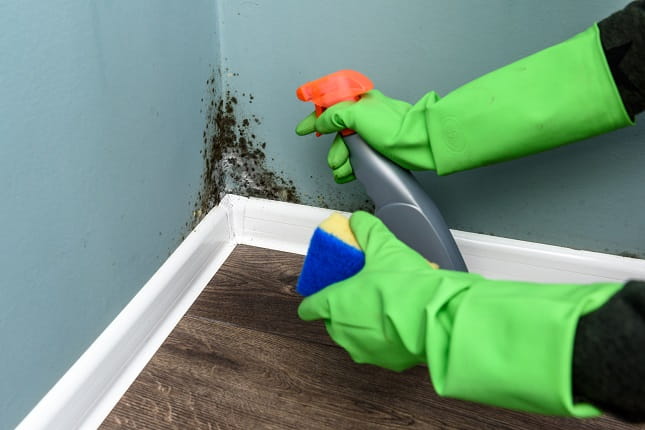
Mold is a pretty common problem in many homes. It usually shows up after water damage, leaks, flooding, or just too much humidity. You might notice it on bathroom walls, ceilings, basements, or even around windows. At first it might just look like a few dark spots, but mold can spread fast if it’s not handled the right way.
A lot of homeowners try to clean mold themselves. And honestly, that can work for small spots. But if you clean it the wrong way, you can actually make the problem worse. Some cleaning methods spread mold spores into the air, which lets mold grow in other areas of the house.
Before you start scrubbing anything, it helps to know what mistakes to avoid. Knowing what not to do can keep mold from spreading and make the cleanup a lot safer.
Why Cleaning Mold the Wrong Way Can Make It Worse
Mold spreads through tiny particles called spores. These spores float around in the air and land on surfaces. If they land somewhere damp, they can start growing pretty quickly.
When you disturb mold the wrong way, you can release a lot of spores into the air. Those spores can move around the room and land on walls, furniture, carpets, or vents. So a small mold problem can turn into a bigger one without you even realizing it.
Another thing people don’t always realize is that mold often grows deeper than what you can see. It can spread behind drywall, inside insulation, or under flooring. If you only clean what’s on the surface, the mold might still be growing underneath.
That’s why avoiding common cleaning mistakes is really important. A little care goes a long way in keeping the problem from spreading.
Mistake #1: Ignoring the Source of Moisture
Why Moisture Is the Real Problem
Mold can’t grow without moisture. Water is basically the main reason mold shows up in homes. If the moisture problem is still there, the mold will just keep coming back, no matter how many times you clean it.
Common sources include leaking pipes, roof leaks, flooding, poor ventilation, or just high humidity inside the house. Bathrooms, kitchens, basements, and laundry rooms are especially prone to these issues.
What Happens If Moisture Isn’t Fixed
If you clean the mold but ignore the moisture problem, the mold will probably return. Sometimes it comes back in just a few days or weeks.
For example, if mold is growing near a leaking pipe and you only clean the surface, the damp area will keep feeding new mold growth. So before cleaning anything, it’s really important to find and fix the source of the moisture first.
Mistake #2: Scrubbing Mold Dry
Why This Spreads Mold Spores
Another mistake people make is scrubbing mold while the surface is completely dry. When mold is dry, brushing or scrubbing it can release spores straight into the air.
Those spores can float around the room and settle on other surfaces. If they land somewhere damp, they can start growing again.
Safer Approach
A better approach is to lightly dampen the area before cleaning it. That helps keep some of the spores from becoming airborne.
You’ll still want to clean carefully and avoid really aggressive scrubbing. The goal is to remove the mold without spreading it around the room.
Mistake #3: Using the Wrong Cleaning Products
Products That Don’t Kill Mold
Not every household cleaner actually kills mold. Some cleaners just remove the stain and make the surface look clean, but the mold is still there.
Bleach is something people often use, but it doesn’t always work well on porous materials like wood, drywall, or fabric. It might clean the surface while mold keeps growing underneath.
Choosing Effective Mold Cleaners
Cleaners specifically made for mold are usually a better option. These products are designed to kill mold and help stop it from coming back.
It’s also important to follow the instructions on the label. Using too little or wiping it away too quickly can make the cleaner less effective.
Mistake #4: Painting Over Mold
Why This Doesn’t Solve the Problem
Some homeowners try to hide mold by painting over it. It might cover the stain for a little while, but it doesn’t actually remove the mold.
The mold will keep growing underneath the paint. Eventually, the stain may show through again, and the problem will still be there.
So painting over mold is really just a temporary cover, not a real fix.
When Mold-Resistant Paint Helps
Mold-resistant paint can help prevent future mold growth, but it should only be used after the mold has been properly removed.
If mold is still there when you paint, it will keep growing under the new paint layer.
Mistake #5: Cleaning Large Mold Areas Yourself
When Mold Becomes a Bigger Problem
Small patches of mold can sometimes be handled by homeowners. But when mold covers a large area, things get a lot more complicated.
Large mold growth can mean there’s deeper moisture damage, and sometimes the mold is spreading behind walls or ceilings.
Risks of DIY Removal
Trying to clean a large mold problem yourself can release a lot of spores into the air. That can spread mold to other areas of the house and increase your exposure to it.
Professional mold cleanup and remediation services have special equipment and protective gear. They’re trained to remove mold safely without spreading it around the home.
Mistake #6: Skipping Protective Gear
Health Risks of Mold Exposure
A lot of people underestimate how mold can affect their health. Mold spores can irritate your eyes, skin, throat, and lungs.
Some people might experience coughing, sneezing, headaches, or skin irritation. People with allergies or asthma can be even more sensitive to mold exposure.
Basic Protection to Use
Even if you’re only cleaning a small area, it’s still smart to wear basic protection. Gloves, eye protection, and a mask or respirator can make a big difference.
This helps reduce your contact with mold and keeps you from breathing in too many spores.
Mistake #7: Not Drying the Area Completely
Why Drying Is Critical
After you clean mold, the area needs to dry completely. Mold loves damp environments, so any leftover moisture can lead to new growth.
Even small amounts of trapped moisture in walls, carpets, or flooring can allow mold to return.
Proper Drying Methods
Good airflow helps a lot when drying an area. Opening windows, using fans, or running a dehumidifier can help remove moisture from the space.
The goal is to make sure everything is fully dry before using the area again.
Tips to Prevent Mold from Returning
Preventing mold is usually easier than dealing with it later. Keeping your home dry and well ventilated can make a big difference.
Fix leaks as soon as you notice them. Use exhaust fans in bathrooms and kitchens to remove moisture from the air. Dehumidifiers can also help control humidity, especially in basements or damp areas.
It’s also a good idea to regularly check for signs of water damage so you can catch mold problems early.
Conclusion
Cleaning mold might seem simple, but doing it the wrong way can actually make things worse. Mistakes like ignoring moisture problems, scrubbing mold dry, or using the wrong cleaning products can allow mold to spread and come back.
Taking the time to deal with mold properly can protect both your home and your health. Fixing moisture issues, using the right cleaning methods, and making sure the area dries completely are all important steps.
If the mold problem is large or keeps returning, getting professional help is often the safest option. Mold remediation experts can remove the mold and help prevent future damage to your home.