People travel to the Smoky Mountains for the rolling ridgelines, soft blue haze, and panoramic overlooks that seem to stretch forever. That distinctive blue tint comes from natural compounds released by the forest, which scatter sunlight and create the layered look the region is known for. The scenery never disappoints, but if you want peak foliage, powerful waterfalls, or snow-covered summits, timing your visit makes all the difference.
Mountain weather can shift quickly. A clear morning can turn cloudy by afternoon, and visibility at higher elevations often changes faster than in the valleys. Spring storms, moving fog, and humidity all affect what you actually see once you arrive. Checking real-time conditions before you leave helps you avoid wasted drives and crowded overlooks with limited views. When you match your travel dates to the scenery you care about most, your experience feels intentional rather than rushed.
Spring Renewal: Wildflowers, Waterfalls, and Fresh Mountain Air (March–May)
Spring is when the landscape shifts from muted browns to fresh greens and bright colors. Wildflowers begin appearing in late March and continue through May, especially along trails like Porters Creek and Little River. The park is known for its incredible plant diversity, and spring showcases that reputation in full. Waterfalls also reach their strongest flow during this season. Steady rainfall feeds popular spots like Abrams Falls, making them especially photogenic.
Conditions can still feel unpredictable, particularly at higher elevations. Temperatures may vary significantly between the valley and the summit areas. Before heading out for a hike, many travelers check Smoky Mountain webcams to confirm visibility and see how far blooms have progressed across different elevations. A quick look at current conditions can help you decide whether to chase waterfalls, explore a lower-elevation trail, or wait for clouds to lift. Early spring is also an off-peak season, so you can often enjoy clearer views without heavy traffic.
Summer Haze: Lush Green Canopies and High-Elevation Escapes (June–August)
Summer transforms the mountains into a dense green canopy. The blue haze becomes more noticeable in humid air, creating layered views that are especially striking from scenic overlooks. Early mornings often offer the best clarity before afternoon clouds roll in. Long daylight hours give families extra time to explore scenic drives and gentle trails without feeling rushed.
Heat and crowds require some strategy. Temperatures rise in lower elevations, so plan hikes earlier in the day and consider higher-altitude routes for cooler air. Trails like Alum Cave offer shade and steady elevation gain, making them manageable for active families. Expect busier roads during peak vacation weeks and allow extra time for parking. With thoughtful planning, summer still delivers sweeping views and vibrant landscapes that define a classic Smokies trip.
The Autumn Spectacle: Timing Peak Leaf Peeping (October)
October is prime time for fall color, but timing depends on elevation. Higher areas, such as Kuwohi, typically change first, often in mid- to late October. Lower elevations, including Cades Cove and surrounding valleys, tend to peak closer to late October or even early November. Watching the color move down the mountains helps you plan strategically, rather than guessing and missing the best week. Cooler nighttime temperatures usually signal that peak color is approaching.
For wide views, head to Foothills Parkway or a high-elevation observation area. Morning light tends to produce richer tones, especially on clear days after a cold front passes through. Arrive early to secure parking and avoid traffic backups that build quickly during peak foliage weeks. Bring layers since mornings can feel chilly, even when afternoons warm up quickly. Midweek visits often provide a noticeably calmer experience.
Winter Serenity: Snow-Capped Peaks and Open Vistas (December–February)
Winter strips the forest down to its structure, which opens up long-range views that are hidden during other seasons. On clear days, you can see deep into the surrounding ridgelines because the air is less humid. When snow falls, higher elevations transform into quiet scenic overlooks that feel completely different from summer’s energy. The reduced leaf cover also makes distant mountain layers easier to photograph.
Road closures can happen, especially at higher elevations, so check conditions before you go. Wildlife is often easier to spot in open fields during early morning hours. Dress in moisture-wicking layers and wear sturdy footwear with good traction. Shorter daylight hours mean you should plan drives and hikes earlier in the day. If you plan carefully, winter offers peaceful views without peak-season congestion.
Off-Season Gems: Finding Solitude During the Quiet Season
Early spring and late fall are considered off-peak periods that reward flexible travelers. During these quieter weeks, you can explore scenic routes and popular trailheads without feeling rushed. Parking is easier, and you have more freedom to linger at overlooks. Cooler temperatures also make hiking more comfortable for families who prefer mild weather. Lodging availability in nearby towns is often more flexible as well.
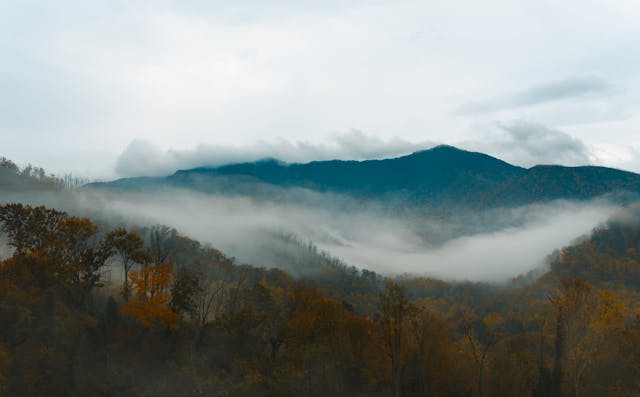
Foggy mornings can create dramatic valley views, especially after light rain. Water levels often remain steady in late fall, and early spring brings the first signs of renewal without peak crowds. Stay adaptable with your plans and build extra time into your schedule for spontaneous stops. Watching the forecast closely helps you take advantage of clear skies when they appear. Quiet-season trips often feel more personal and unhurried.
Choosing the Right Season for Your Perfect View
There is no single perfect month to visit the Smokies. Instead, the right time depends on what you want to see and experience. Spring offers wildflowers and rushing waterfalls. Summer delivers full green landscapes and extended daylight. Fall showcases dramatic color shifts, while winter reveals quiet panoramas and long-distance views. Off-peak weeks provide breathing room and added flexibility.
Plan around elevation changes, monitor weather patterns, and stay open to adjusting your schedule. A little preparation goes a long way in this region. With thoughtful timing, you can create meaningful memories and experience the mountains at their very best.